Men’s Weight Loss Personal Training
Customized personal training to help men lose body fat, build strength, improve their physique, and create results they can keep.
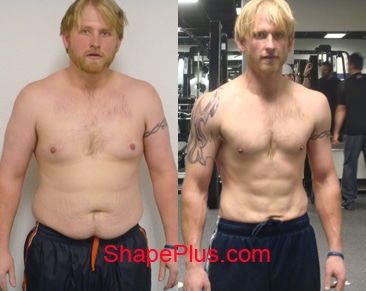
“In a little under 12 weeks, I dropped 34 pounds and my strength is the highest I’ve ever known.” — Drew L.
Dan S.
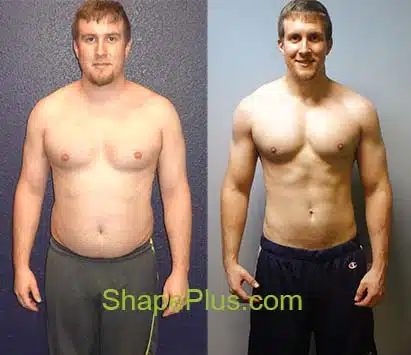
“I have now lost 102 lbs total with 66 lbs of it with Jess!”
There’s no guarantee of specific results.
Results can vary.
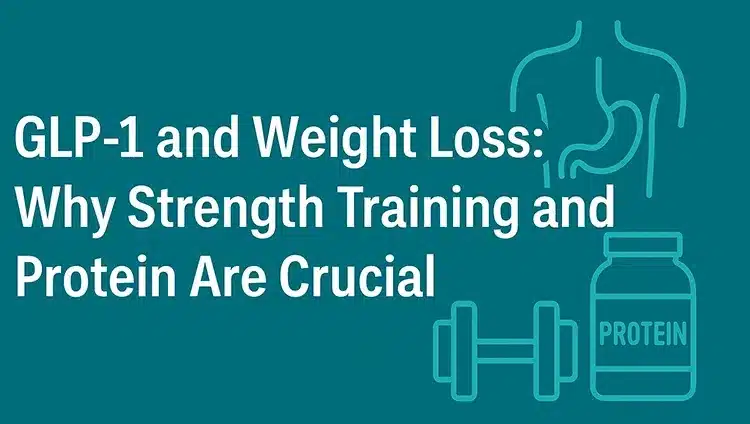
Lose Fat Without Losing the Muscle You Want
The goal is not to become a smaller, weaker version of yourself. The goal is to lose body fat while keeping—and, when possible, building—the muscle that gives your body shape, strength, and a more athletic appearance.
That difference matters.
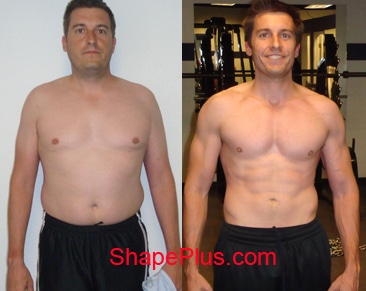
Two men can lose the same amount of weight and look completely different afterward. One may simply look smaller. The other may have a tighter waist, broader shoulders, more visible muscle, and a body that looks stronger and more capable.
The scale cannot tell you the whole story.
A successful fat-loss program should protect the muscle you already have by combining consistent strength training, appropriate protein intake, a manageable calorie deficit, and enough recovery to keep progressing.
Cut calories too aggressively, remove strength training, or replace lifting with endless cardio, and the number on the scale may fall while strength, energy, and muscle fall with it.
That is not the result most men are after.
Your strength program should continue challenging the major muscle groups while your nutrition supports both fat loss and recovery. The exact exercises, training volume, protein target, and rate of weight loss will depend on your starting point, experience, schedule, and how your body responds.
Some men may build noticeable muscle while losing fat, especially if they are new to strength training or returning after time away. More experienced lifters may focus primarily on preserving muscle and strength while body fat comes down.
The right approach depends on the man—but muscle should never be treated as an acceptable casualty of weight loss.
Progress should be measured through more than body weight. Waist measurements, photographs, clothing fit, strength, energy, and visible changes in shape can reveal improvements that the scale alone may miss.
Weight loss tells you that your body is getting lighter. Fat loss with strength training helps determine what your body looks like when you get there.
Drew L.
“I dropped 34 pounds and my strength is the highest I’ve ever known.”
There’s no guarantee of specific results.
Results can vary.
What an Effective Men’s Weight Loss Program Should Include
The exact exercises, calorie targets, and rate of progress will be different for every man, but an effective program should include the essential pieces that work together to help him lose body fat, protect muscle, build strength, and create a leaner, more athletic physique.
Coach-guided strength training
Focused sessions built around your current abilities, experience, schedule, and goals—not random workouts or exercises chosen simply because they are difficult.
Personalized exercise selection
Movements selected around your body, injuries, limitations, training history, and the areas you most want to strengthen and develop.
Progressive resistance
Gradually increasing weight, repetitions, control, range of motion, difficulty, or productive training volume so your body continues adapting as you lose fat.
Full-body strength and muscular development
Training the major muscle groups to help preserve or build muscle, improve physical capability, and create better proportions through the chest, shoulders, back, arms, legs, and waist.
Proper form and experienced coaching
Every exercise should have a purpose. Good coaching helps you move safely, use the intended muscles, train with the right effort, and get more value from every repetition.
Personalized nutrition for fat loss
A nutrition plan built around your calorie needs, protein, energy, food preferences, work schedule, family meals, weekends, travel, alcohol, and the amount of structure you can realistically maintain.
Cardio and conditioning used with purpose
The right type and amount of cardio can support fat loss, endurance, and overall fitness without replacing strength training or exhausting you unnecessarily.
Recovery built into the program
Training frequency, workload, sleep, stress, soreness, injuries, and the demands of your life should all be considered when deciding how hard and how often you train.
Progress tracking that looks beyond the scale
Body weight matters, but waist measurements, photographs, clothing fit, strength, energy, consistency, and visible changes in shape often tell a more complete story.
Accountability and ongoing adjustments
Your plan should not remain frozen while your body and life change. Coaching, check-ins, and progress reviews help identify what is working, what is not, and what needs to change next.
A workout plan and a calorie target are not enough. Every part of the program should have a reason, and every part should support the same result.
The goal is not simply to lose weight. The goal is to lose the fat, keep the muscle, and build a body you are proud to maintain.
How to Keep the Weight Off and Maintain Your Results
Losing the weight is one achievement. Building a life that keeps it off is the bigger one.
Maintenance should not begin after the diet ends. It should be built into the way you lose the weight in the first place.
If your results depend on eating foods you hate, avoiding every social event, doing excessive cardio, or following a schedule you cannot maintain, the plan is already temporary.
A better approach helps you develop habits, strength, awareness, and routines you can continue after the scale reaches your goal.
That does not mean every day has to be perfect.
Work gets busy. Travel happens. Holidays happen. Meals out happen. Motivation rises and falls. The goal is not to eliminate real life. The goal is to know how to handle it without letting one difficult day become several difficult months.
Strength training remains important because it helps preserve the muscle, capability, and athletic shape you worked to build. Nutrition may become less restrictive as you move from fat loss into maintenance, but structure still matters. Protein, portions, food quality, meal timing, and overall consistency continue to influence how you look and feel.
Your activity may change too. You may need less cardio than you used during the fat-loss phase, but staying active should remain part of your normal week.
Progress tracking does not have to become obsessive. A regular look at body weight, waist measurement, clothing fit, training performance, energy, and habits can help you catch small changes before they become a major setback.
Accountability can also change as you improve. Some men need frequent support in the beginning and less as their habits become stronger. Others continue benefiting from coaching, structure, and scheduled check-ins because they know how easily work and life can push fitness aside.
Maintaining your results does not mean staying on a diet forever. It means keeping enough of the right habits in your life that you never have to start over again.
Your individual MMAP® should continue evolving as your goals change—from losing body fat, to maintaining your weight, to building more muscle, improving performance, or simply staying strong and capable.
The best result is not the weight you lose once. It is the body, confidence, and way of living you refuse to give back.
Brad B.
“I wanted to find a place that would not only help me achieve my fitness goals but also teach me how to maintain them.”
There’s no guarantee of specific results.
Results can vary.
Men’s Weight Loss Personal Training FAQs
How much weight can a man lose with personal training?
There is no single number that applies to every man.
Your starting weight, body-fat level, nutrition, training consistency, sleep, stress, activity, travel, alcohol, and how closely you follow the plan all affect the rate of progress.
Some men may lose weight more quickly at the beginning, especially when they have more to lose. Others may progress more gradually while protecting strength and muscle.
We track more than the scale. Waist measurements, photographs, clothing fit, strength, energy, and visible changes in shape help show whether the program is creating the result you want.
The goal is not to lose weight as fast as possible. The goal is to lose it in a way that builds a better body and gives you a real chance of keeping it off.
Can men lose belly fat with exercise?
Yes—but no exercise can force your body to remove fat from only your stomach.
Belly fat comes down as overall body fat decreases through consistent nutrition, strength training, activity, cardio, recovery, and accountability. Genetics and individual fat-storage patterns influence where fat comes off first and where it tends to stay longest.
Abdominal training can strengthen and develop the muscles underneath, but endless crunches will not replace the need for an effective fat-loss plan.
Your MMAP® brings the right actions together around your body, schedule, habits, and starting point.
You cannot choose exactly where fat leaves first. You can build the plan that gives it fewer places to hide.
Should men lift weights while trying to lose weight?
Yes. Strength training should remain a major part of most men’s weight-loss programs.
Lifting gives your body a reason to preserve muscle as the weight comes off. It also helps improve strength, shape, proportions, physical capability, and the way your body looks at a lower body weight.
Replacing strength training with excessive cardio may make the scale move, but it can also make it harder to keep the muscle and athletic appearance you want.
Your training volume, exercise selection, and progression should be adjusted around your calorie intake, recovery, experience, and current abilities.
The goal is not to become lighter at any cost. The goal is to lose fat while keeping the strength and muscle that make the result worth having.
How much cardio do men need to lose weight?
There is no universal amount.
The right amount depends on your starting point, calorie intake, daily activity, fitness level, schedule, recovery, and how much weight you want to lose.
Cardio can support fat loss, endurance, and overall fitness, but more is not automatically better. Too much may interfere with strength training, recovery, energy, or your ability to follow the program consistently.
Some men benefit from structured conditioning. Others may begin by increasing daily movement and adding moderate cardio around their strength sessions.
Cardio should support your result—not become a second job.
What should men eat to lose body fat?
Men lose body fat by consistently eating in a way that supports an appropriate calorie deficit while providing enough protein, nutrients, and energy for training, recovery, work, and life.
That does not require one perfect diet.
Your plan may include foods you already enjoy, family meals, restaurants, travel, weekends, and occasional alcohol. Portions, protein, meal structure, food choices, and overall consistency matter more than forcing every man into the same menu.
Your calorie and protein targets should reflect your body, activity, preferences, progress, and goals. Medical conditions or guidance from a physician or healthcare provider should also be considered when applicable.
The best nutrition plan is not the strictest one. It is the one that creates progress and still works when real life shows up.
Can men over 40 lose body fat and build muscle?
Yes. Men over 40 can lose body fat, become stronger, improve their physique, and build muscle.
Age may influence recovery, exercise selection, training volume, injuries, sleep, hormones, and the pace of progress, but it does not eliminate the body’s ability to improve.
A well-designed program should begin with your current abilities and account for your training history, lifestyle, medical considerations, and recovery. From there, strength training, personalized nutrition, appropriate cardio, and consistent progression can create meaningful changes.
Many men over 40 are not trying to become who they were at 25. They want to become stronger, leaner, and more capable than they are today.
You are not too old to change your body. You are too experienced to keep wasting time on a plan that was never built for you.
Ready to Lose the Fat and Build a Stronger Body?
You do not need to know exactly how many calories to eat, which exercises to choose, how much cardio to do, or how to organize everything before you begin.
Tell us what you want to accomplish—lose the gut, drop weight, build strength, improve your physique, increase your energy, or feel more confident in your body.
Whether you want to lose 15 pounds or significantly more, we’ll help you understand what a personalized training and nutrition plan could look like around your body, schedule, experience, and real life.
There is no pressure and no generic sales pitch. You’ll speak with an experienced Shape Plus trainer who can answer your questions, learn more about your goals, and explain the best next step.
Men’s Weight Loss Personal Training is available at our Denver and DTC / Greenwood Village locations.